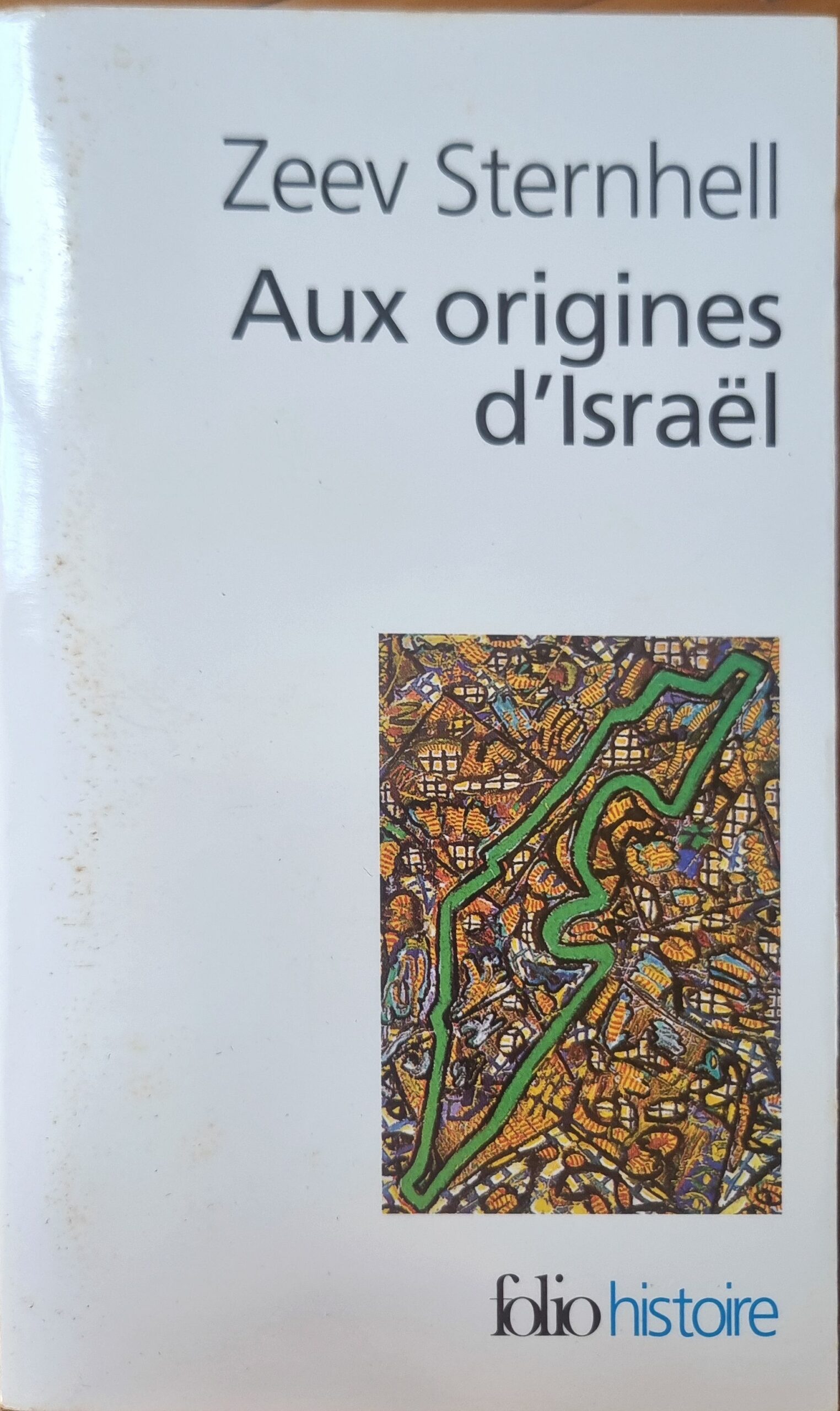


Aux origines d’Israël : Entre nationalisme et socialisme
Fiche technique
Résumé
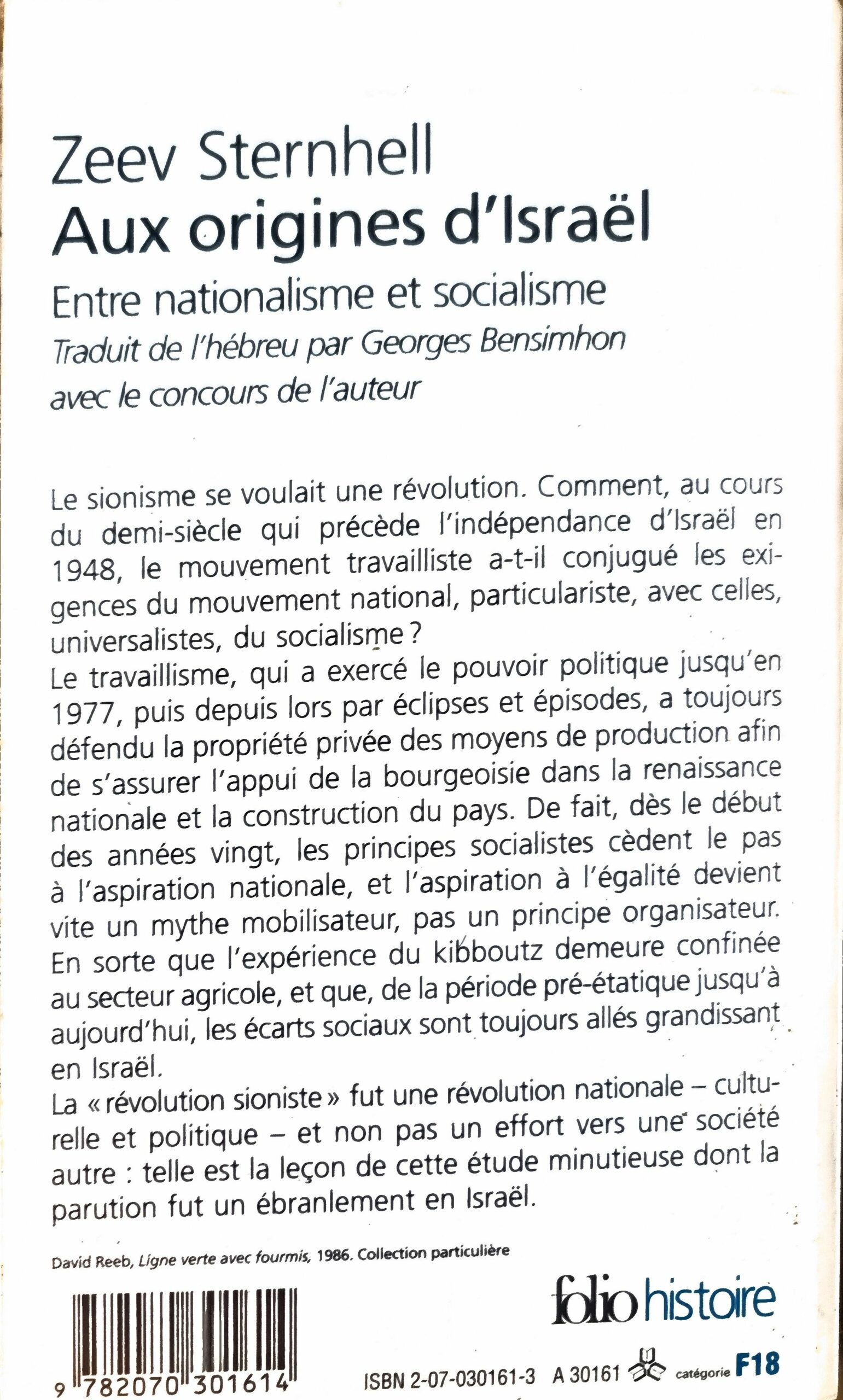
Sionism aimed to be a transformative revolution. During the fifty years leading up to Israel's independence in 1948, how did the Labor movement merge the demands of a specific national movement with the universal ideals of socialism? Labor, which held political power until 1977 and intermittently thereafter, consistently upheld private ownership of production means. This strategy aimed to secure the support of the bourgeoisie for national revitalization and nation-building. Indeed, from the early 1920s, socialist doctrines gave way to national aspirations, and the pursuit of equality quickly became a rallying myth rather than an organizing principle. Consequently, the kibbutz experience remained limited to the agricultural sector, and from the pre-state era to the present day, social inequalities in Israel have steadily widened. The 'Zionist revolution' was fundamentally a national cultural and political upheaval, not a drive towards creating a different kind of society. This constitutes the key insight of this detailed analysis, whose initial publication profoundly impacted Israel.